
Written by: Corey Janoff
This post was originally published on our previous blog website on February 21, 2018 and has since not been revised and/or updated.
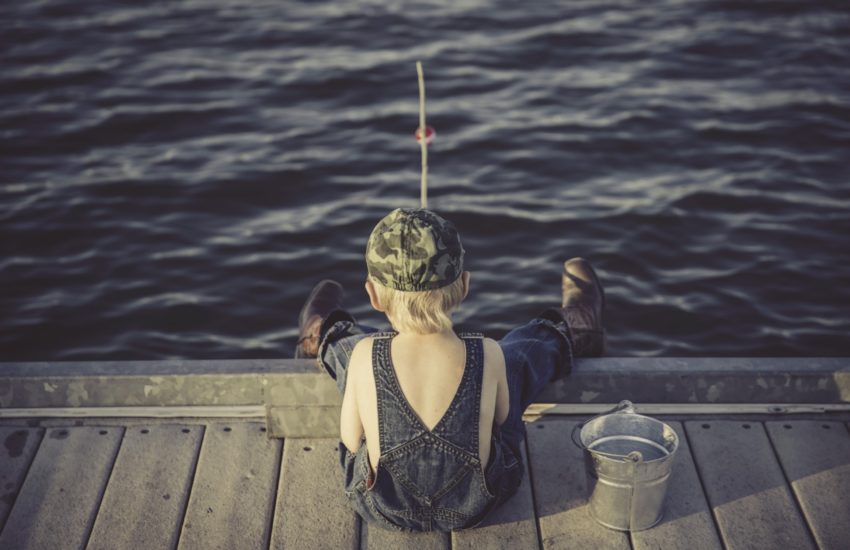
For the fishermen out there reading this, you will appreciate the similarities between investing and fishing. For those of you that don’t fish, you will still be able to understand the parallels I will describe. The point of this blog is to try to simplify finances and have some fun with it. Financial planning and investing can often be dry topics. But fishing is fun! So let’s see where this goes.
First You Want to Catch a Fish
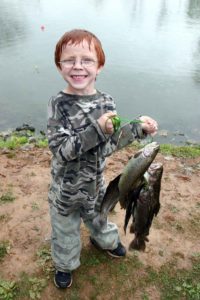
When you first start fishing, your goal is to catch fish. Whether you are young or old, all you want to do is land a fish. Doesn’t matter how big. Doesn’t matter what kind of fish. Doesn’t matter if it is caught with a spinner or a fly, on a boat or from the shore, in a river or in the ocean. You just want to catch fish. You don’t know what you are doing. You just know the objective is to reel in a fish and get a photograph of yourself smiling ear to ear while holding the fish.
When you first start investing, you just want to get started. Maybe you do some research, maybe you ask your parents or some friends where to begin. You probably don’t have much money to invest, so you just pick something easy to get you going. Whether it be in your 401k at work, a Roth IRA, an online real estate crowdfunding website, you put a little bit in and see how it goes. There is a good chance you will watch that investment closely in hopes of seeing success. Just like the first time fisherman wanting to catch a fish (preferably quickly), you want to see your investment grow (preferably shortly after the initial deposit).
Next, You Want to Catch a Lot of Fish
After you land your first fish, you are hooked (pun intended). You got one! Now, how many more can you get? If you catch one and then go several outings without so much as a bite, you may lose your desire to keep fishing. You want to keep the excitement going! You still don’t really care much as to the type of fish, or the method of fishing (fly, bait, spear, etc). As long as you are catching fish frequently, you are happy.
Same thing goes with investing. Once you have your initial success, you want more. If you don’t have much success initially, you may lose your faith in investing. If you first started investing in 1999, saw some quick initial gains, and then saw three straight years of losses (2000, 2001, and 2002), you may not have much confidence in your investment abilities and ultimately shy away from investing.
Then, You Want to Catch Big Fish
After you start catching a lot of fish, you set your sights on a bigger prize. Let’s go after the big ones. Land a 24 inch rainbow trout. Reel in a 30 pound Chinook salmon. Fight a 75 pound albacore tuna. How about a 1,000 pound marlin? You could find yourself in for an hour-long wrestling match.
Again, once you establish yourself as an investor, you want to start investing in bigger things. Maybe that is a goal of adding $100,000 into your investment accounts in a given year. Maybe you want to own a commercial real estate property. Regardless, depositing $5,500 into an IRA isn’t quite enough to satiate your appetite.
Finally, You Want to Catch a Certain Type of Fish, Using a Certain Method
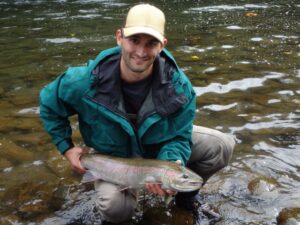
Once you become an experienced fisherman and have had a taste for the different types of fish and different methods of fishing, you begin to develop preferences. Maybe you enjoy fly fishing the most. Maybe you prefer rivers to oceans. Maybe you get the most joy fighting a steelhead. You start to create goals and challenges for yourself. You want to catch a steelhead on a dry fly that you tied.
Once you have experience with different types of investments and grow as a person, you begin to develop preferences too. Maybe you prefer to only invest in companies that exhibit certain values. You want to avoid investing in alcohol, tobacco, gambling, or firearms. Maybe you want to invest in a Class A office building near where you live so you can be involved in the management and negotiate the leases.
Risks and Rewards
As with anything in life, there are risks along the way. People drown every year on fishing trips. You know there is a great fishing hole on the other side of the river. If you can navigate your way across without slipping and falling in the fast-moving current, you can get there. If you slip and fall, you may find yourself trying to hold your head above water as you get carried through rapids like a pinball.
All of you are aware of investing risks. Stocks decline in value all the time and one out of every four years on average end the year negative. Real estate can be a great income-producing investment. It can also turn into a giant money pit that drives you into bankruptcy. Do your due diligence and avoid navigating treacherous waters without experience or a knowledgeable guide.

Professional Guidance
Speaking of a knowledgeable guide, it can definitely help to have one. If you want to succeed in catching fish, hiring a guide will likely improve your odds of success.
If you have never been fly fishing before, how will you even know where to begin? Where are you going to go fishing? What type of equipment will you need? What type of line do you use? How do you cast? Once you hook a fish, how do you set the hook? How do you reel it in? How do you land the fish?
You may have a cousin who goes fly fishing a lot, but is he really going to want to spend the whole day babysitting you and teaching you how to fish? Maybe….if he is really nice and patient. But even if he is willing to go with you, he will probably suggest hiring a guide.
The guide will supply the equipment you need, take you to the spots that likely have the most fish, teach you the techniques, show you how to cast, reel, etc. Once you go a few times and get enough practice in, you may develop the skills and confidence to go on your own. But if you don’t do it very often, or are trying a new type of fishing, you will probably have a better time and experience better results with a guide.
The same is true with investing. Sure you can do some online research and ask some friends and family members for tips. Just like it is not impossible to catch fish on your own, it’s not impossible to invest successfully on your own. But like every skill, it takes practice, dedication, and persistence.
If you’re not willing to put in the time, do the research, practice, and learn, you are probably better off hiring a guide. Same is true if you are investing in something new. Going back to the commercial real estate example from earlier, if you have never invested in commercial real estate before, you probably need some professional guidance to hold your hand along the way.
What’s the saying? When someone with money meets someone with experience, the person with experience leaves with the money and the person with money leaves with the experience. If you are looking to buy an office building and you have never done it before, proceed cautiously and be prepared to gain some experience.
Fishing guides and investment advisors can provide invaluable assistance and insight. Whether you are trying to catch fish or achieve financial independence, having a professional lead the way can help you reach your goals.